All
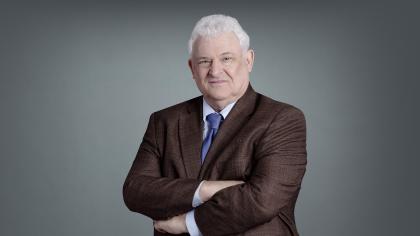
From Euthanasia to Gene Editing: A Q&A With Bioethics Expert Arthur Caplan
In the 1990s, Jack Kevorkian controversially brought the issue of physician-assisted dying to the forefront of a conversation at the crossroads of medicine, technology, law and morality — known as bioethics.
TEDxNJIT Event on November 8
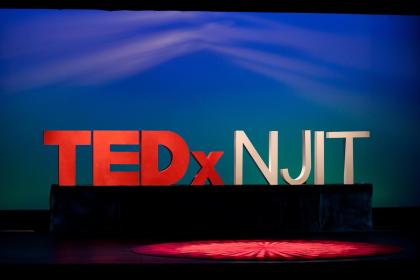
New Jersey Institute of Technology (NJIT) will host a TEDxNJIT event Nov. 8, 2018 in the Jim Wise Theatre on the NJIT campus and via an accompanying live simulcast available to viewers worldwide. The independently organized event, licensed by TED, is themed “ReFraming” and will feature leaders from business, academia and the arts addressing a range of topics.

NJIT Technology and Society Forum Presents: City Resilience
In the face of both natural and man-made threat to city infrastructure, greater pushes have been made toward the planning and design of “resilient cities” — cities positioned to protect and enhance urban life through development of components necessary to respond to terrorism, earthquakes, coastal flooding, solar flares, as well as infrastructure adoption of sustainable energy.
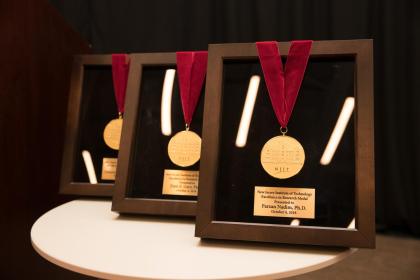
A Neurobiologist, a Solar Physicist and a Chemical Engineer Are Awarded for Research Excellence
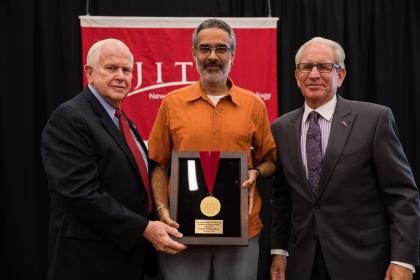
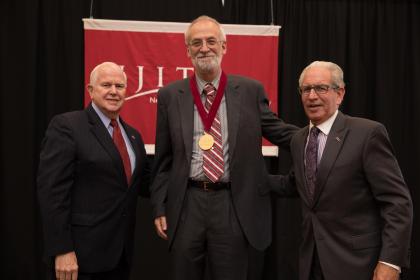
Faced with a formidable list of nominees for the annual Excellence in Research Prize and Medal, the Board of Overseers opted this year for its own brand of novelty and innovation: the prize committee picked three. The sector-spanning winners, all at the forefront of their fields, included a solar physicist, a chemical engineer and a neurobiologist.
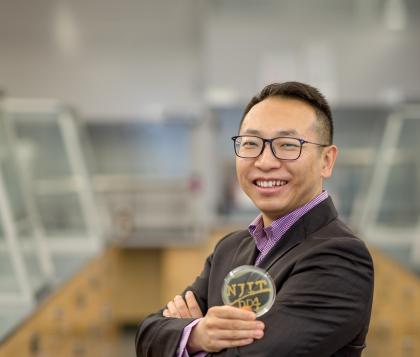
Newly-Discovered Bacterium Rids Problematic Pair of Toxic Groundwater Contaminants
Known as a chemical manufacturing by-product of many cosmetics and home cleaning products, the industrial solvent 1,4-Dioxane is now considered by the Environmental Protection Agency to be an “emerging contaminant” and “likely human carcinogen” that can be found at thousands of groundwater sites nationally — potentially representing a multi-billion dollar environmental remediation challenge.

Fall Piano Recital Featuring Robert Argasinski
The last Wednesday of September 2018 is scheduled to bring an original concert performance to campus from Robert Argasinski — competition-winning virtuoso pianist, composer and NJIT Albert Dorman Honors College student. Argasinski will perform a rich collection of his own compositions, including Waltz Appassionata, The Tragedy of War, and The Hero’s Journey. The program will continue with a collection of short waltzes, including Chopin’s Waltz Op. 64 No.
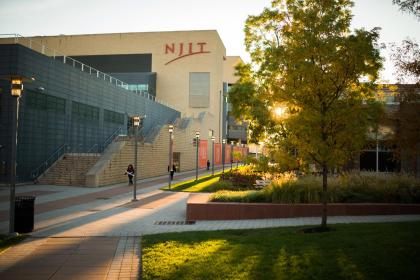
NJIT Rises, Ranks in Top 15 Percent "Best Institution" Nationwide by College Factual
College Factual, a leading source of higher education analytics and insights, has ranked NJIT in the top 15 percent nationwide in the overall “Best Institution” category for 2019, a 61-place jump compared to 2018 rankings.
NJIT is now ranked 251 out of a 1,779 institutions nationwide, and 5 out of 33 in N.J., a jump of three positions in the state.
The “Best Institution” category looks at several specific factors to generate their score, including: student body caliber, educational resources, degree completion and post-graduation earnings.

NJIT and Essex County College Sign Joint Academic Agreement
Associate degree students from Essex County College (ECC) are now able to seamlessly transfer into appropriate and/or corresponding bachelor’s degree programs at NJIT.