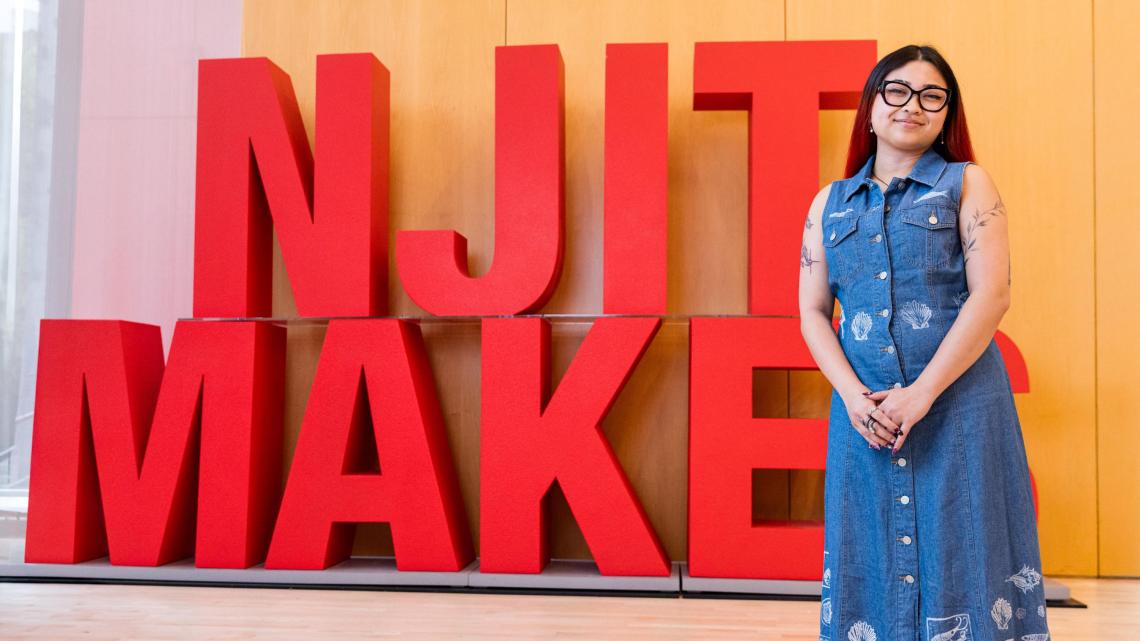
Continuing our Senior Success Series, we’re spotlighting undergraduate seniors honored at the 2026 HCSLA Awards as they prepare for Commencement.
Kristina Camia graduates this May with the HCSLA Outstanding Student Award in Biology, capping her undergraduate years in NJIT’s Barden Lab, where she co-described a new species of snapping shrimp and presented her discoveries at conferences across the U.S. She’ll take on a lab role at NJIT to conclude her research after graduation, before starting her biology Ph.D. next year.
We asked Camia to talk about her research journey, what she’s learned and what comes next.
What’s next after graduation?
I will be working in NJIT’s Barden Lab as a lab technician. I will spend the next few months finishing up projects, collecting data and producing resources for outreach. In January 2027, I will be starting at Tennessee Tech University as a student in their Biology Ph.D. program.
Where did you grow up, and what led you to NJIT?
I am from Roselle, NJ. Support from my high school teachers and counselors drove me to apply for the honors program at NJIT. The generous scholarships funded by the Albert Dorman Honors College and its donors solidified my decision to attend NJIT.
What were you most involved with at NJIT before receiving the 2026 HCSLA Outstanding Student Award?
Over the past three years, I have been working in the Barden Lab, where we study the ecology and evolution of social animals. My work focuses on sponge-dwelling snapping shrimp from the genus Synalpheus, which contains the only known example of eusociality across all aquatic life.
I have led several independent projects that I had the opportunity to present at national conferences. I was also fortunate to assist with fieldwork in France and Australia last summer.
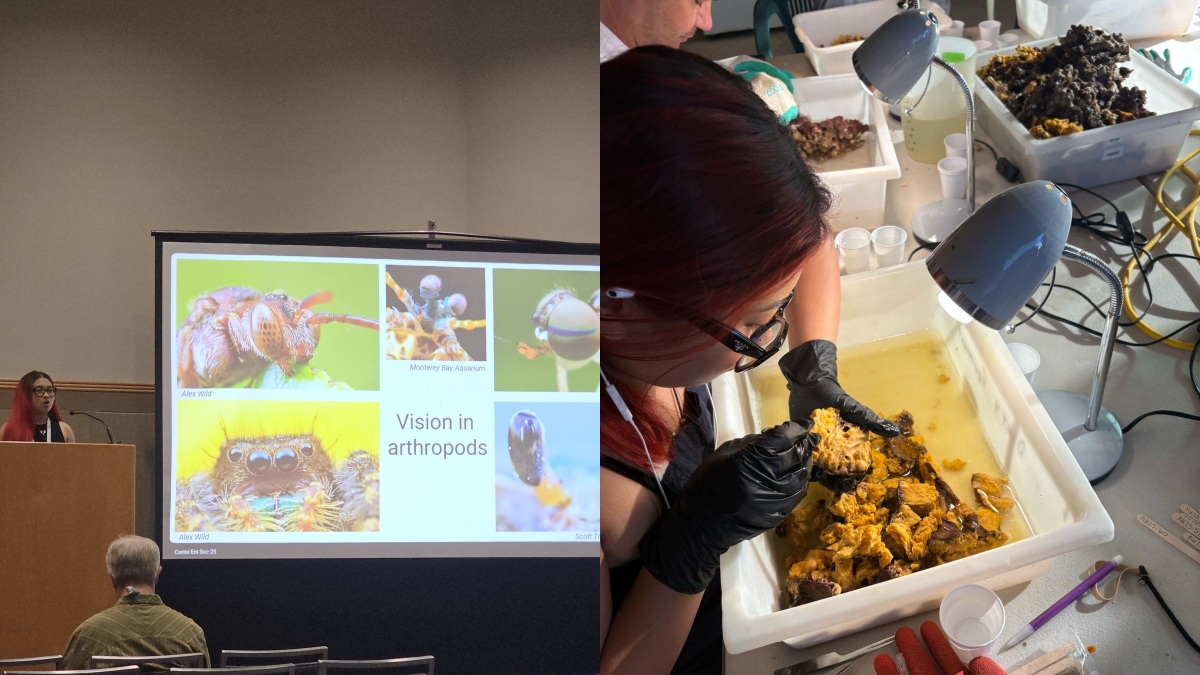
My current project is a comparative study of sensory morphology in Synalpheus to understand how ecology may shape sensory ability. This summer, I will be preparing a manuscript for publication.
Looking back, what’s the most important experience or lesson you’ll take with you from NJIT?
The strong mentorship and sense of community within the biology department and honors college shaped the person I am today and fueled my passion for research and science communication. I am privileged to have the opportunity to share these values with others as I progress through my career in research.
