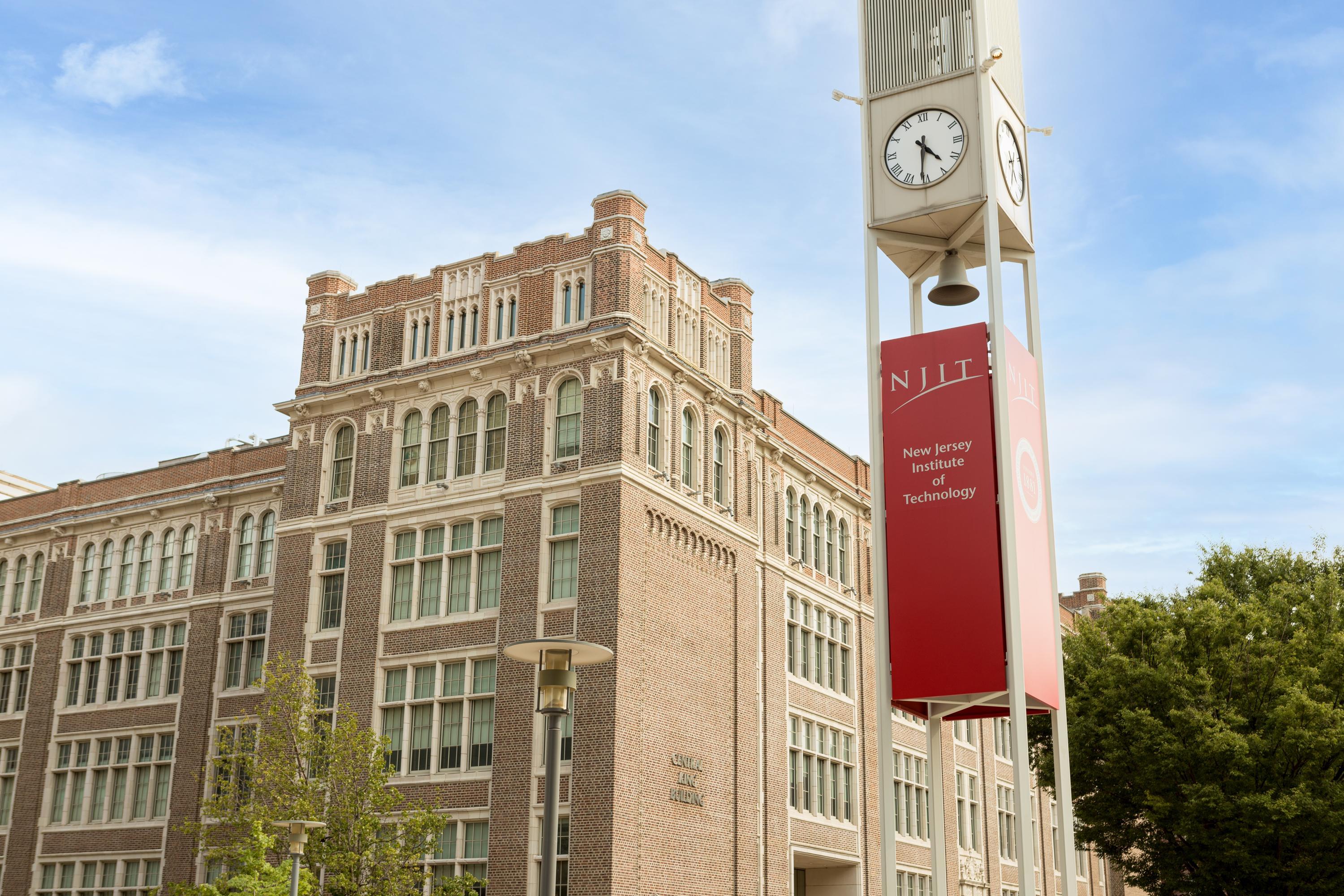
New Jersey Institute of Technology (NJIT) is the No. 1 public university in New Jersey and No. 38 among public institutions nationwide in TIME’s inaugural America’s Best Colleges 2026-2027 ranking.
NJIT also ranks No. 95 overall nationally among the 500 colleges and universities recognized by TIME and data research firm Statista.
The new ranking comes as students and families increasingly weigh the cost of college against what a degree can deliver after graduation. TIME framed its inaugural list around that question of return on investment, pointing to a more technological and competitive job market and rising college costs as factors making career outcomes and economic value increasingly important in college decisions.
That focus is reflected heavily in the methodology. Student outcomes account for the overwhelming majority of an institution’s overall score, including graduate earnings, graduation rates and return on educational investment.
NJIT’s placement adds to recent independent measures highlighting the university’s combination of career outcomes and long-term value.
A 2026 national analysis published by Stacker ranked NJIT No. 10 among public colleges for return on investment, reporting a projected 40-year net present value of $1.7 million. The analysis drew on research from the Foundation for Research on Equal Opportunity using U.S. Department of Education College Scorecard data.
The Wall Street Journal/College Pulse 2026 Best Colleges rankings similarly placed NJIT No. 1 among New Jersey public universities for both value and alumni salary outcomes. Nationally, NJIT ranked No. 25 for Best Salary and No. 42 for Best Value among all universities.
Money’s 2026 Best Colleges guide awarded NJIT 4.5 out of five stars and reported median alumni earnings of more than $90,000 four years after students leave the university. Money evaluates institutions across affordability, quality of education and student outcomes.
The Princeton Review also ranks NJIT No. 10 nationally for Best Career Placement among public schools and No. 27 among public Best Value Colleges.
Together, the measures reflect a consistent theme: the relationship between the cost of an NJIT education, the career opportunities associated with its technology-focused academic portfolio and the outcomes of its graduates.
TIME and Statista divide their assessment into three categories: student outcomes, learning environment and attractiveness. Student outcomes carry 75% of the total weight, while learning environment accounts for 15% and attractiveness for 10%.
The analysis draws primarily on federal data from the Integrated Postsecondary Education Data System and the U.S. Department of Education’s College Scorecard, along with state-level earnings benchmarks from the U.S. Census Bureau’s American Community Survey. Most indicators incorporate multiple years of data to reduce the effects of year-to-year fluctuations.
