
Before Adam Raiffe built a career designing spaces around people’s lives, he was part of a group of NJIT students helping shape something entirely new: the university's first interior design class.
Years later, the architect and founder of Studio Raiffe has returned to NJIT's Hillier College of Architecture and Design (HCAD) as a new member of its Advisory Board, bringing professional experience and a perspective on an industry being transformed by artificial intelligence.
For Raiffe, the appointment represents another chapter in a relationship with NJIT that has extended well beyond graduation.
“We were all sort of an experiment, and we all knew that,” Raiffe recalled of his inaugural class. His classmates were passionate about making the program work and helping one another succeed, he said, creating a sense of camaraderie that continues to influence how he approaches collaboration today.
Helping build something new at NJIT
Raiffe was drawn to NJIT precisely because its interior design program was new. He saw an opportunity to participate in an academic environment where students and faculty could help shape the direction of the program together.
“When I visited the school, the program seemed exciting and exploratory, something new and a staff willing to listen to ideas and to shape the program as it unfolded and evolved,” he said.
HCAD has such great programs because they are so applicable and practical to the actual design industry.
The experience offered more than technical instruction. He appreciated the program’s proximity to architecture, its emphasis on artistic skill, and the relationships he developed with classmates and professors.
Among his influences was David Brothers, a senior university lecturer whose ability to communicate complex design ideas left a lasting impression.
“David has a subtle sensibility and a wonderfully sophisticated yet easily understandable way of describing and discussing design with students,” Raiffe said. “It's a remarkably difficult skill and one, I think, he has mastered.”
Those relationships have endured. Raiffe remains close with classmates and faculty members, many of whom he now considers professional colleagues.

“My friends from Studio shaped me,” he said. “We are still close to this day and see each other often. The same goes for our professors. I'm happy to call them friends and colleagues.”
His education also extended into professional practice. While attending NJIT, he gained experience with Michael Aiduss Interior Design, Advance Realty with Dresner Robin, and Gensler in Morristown.
That experience also reflects HCAD's longstanding ties to Gensler's Morristown office. Becky Button, the office's co-managing director, serves on the college's Advisory Board, while Roger Smith, a principal and architectural design director at Gensler, taught at HCAD for many years as an adjunct studio critic. The relationship has also extended into the classroom and career preparation, including a design studio led by Smith that engaged NJIT architecture students in developing concepts for a Newark community museum.
After earning his bachelor's degree in interior design, he pursued a Master of Architecture at the University of Miami while continuing his professional development with Gensler Miami. He later spent approximately four years working in Miami before returning to New Jersey to establish his own practice.
Designing around the lives of others
Today, Raiffe leads Studio Raiffe, a Morristown-based architecture and interior design practice founded in 2015, with projects spanning New Jersey, New York, Pennsylvania, Connecticut, Florida and Colorado.
The decision to establish the business was not an easy one. He described leaving the security of established firms as a significant professional risk, even with projects from his previous employer providing an initial foundation.
His ambition, however, was clear: develop a practice built around close relationships with clients and a deeper understanding of how, where, and when they live.
He wanted to create an environment where clients could be heard and where design decisions reflected their families, traditions, routines, and aspirations.
“I want to sort of tailor their life into architecture,” Raiffe said.

That philosophy is evident in the firm's Bay Harbor Residence project in the Miami area, where Raiffe’s team designed the architecture and interior design for a ground up home on the water, completed in 2019.
The clients were a young family beginning a new chapter in their lives. Rather than focusing exclusively on the home's appearance, Raiffe sought to understand how the family envisioned its future and translate those expectations into the spaces they would inhabit.
The project exemplifies an approach that values listening as much as drawing, and understanding people, time, and place before developing design solutions.
Why human expertise still matters in the age of AI
As artificial intelligence reshapes the architecture and interior design profession, Raiffe sees significant opportunities for designers, along with important limitations that technology has yet to overcome.
He has already witnessed changes in conversations with longtime clients. Some now arrive with AI-generated material lists and recommendations, creating a new starting point for discussions about their projects.
But those recommendations, he argues, are only as informed as the questions that clients bring to the technology.
“AI, I don't think, is intelligent enough yet to sort of step back from a client's inquiry and say, you know, you're asking this, but I think you're really asking this,” Raiffe explained.
Experienced designers, he believes, can recognize when a client’s proposed solution does not fully address the underlying need. That ability to interpret intentions, question assumptions and guide decisions remains an essential part of professional practice.
Raiffe is equally concerned about the growing emphasis on digital imagery. Through his participation in student design reviews, he has observed how increasingly accessible visualization tools can encourage designers to prioritize appearance over how a space is actually experienced.
“Designers are favoring visuals far more than the actual experience of space,” he said.
His perspective reflects a longstanding interest in the relationship between architecture and the human senses. Among the books he recommends is “The Eyes of the Skin: Architecture and the Senses” by Juhani Pallasmaa, which examines the importance of sensory experience in architecture.
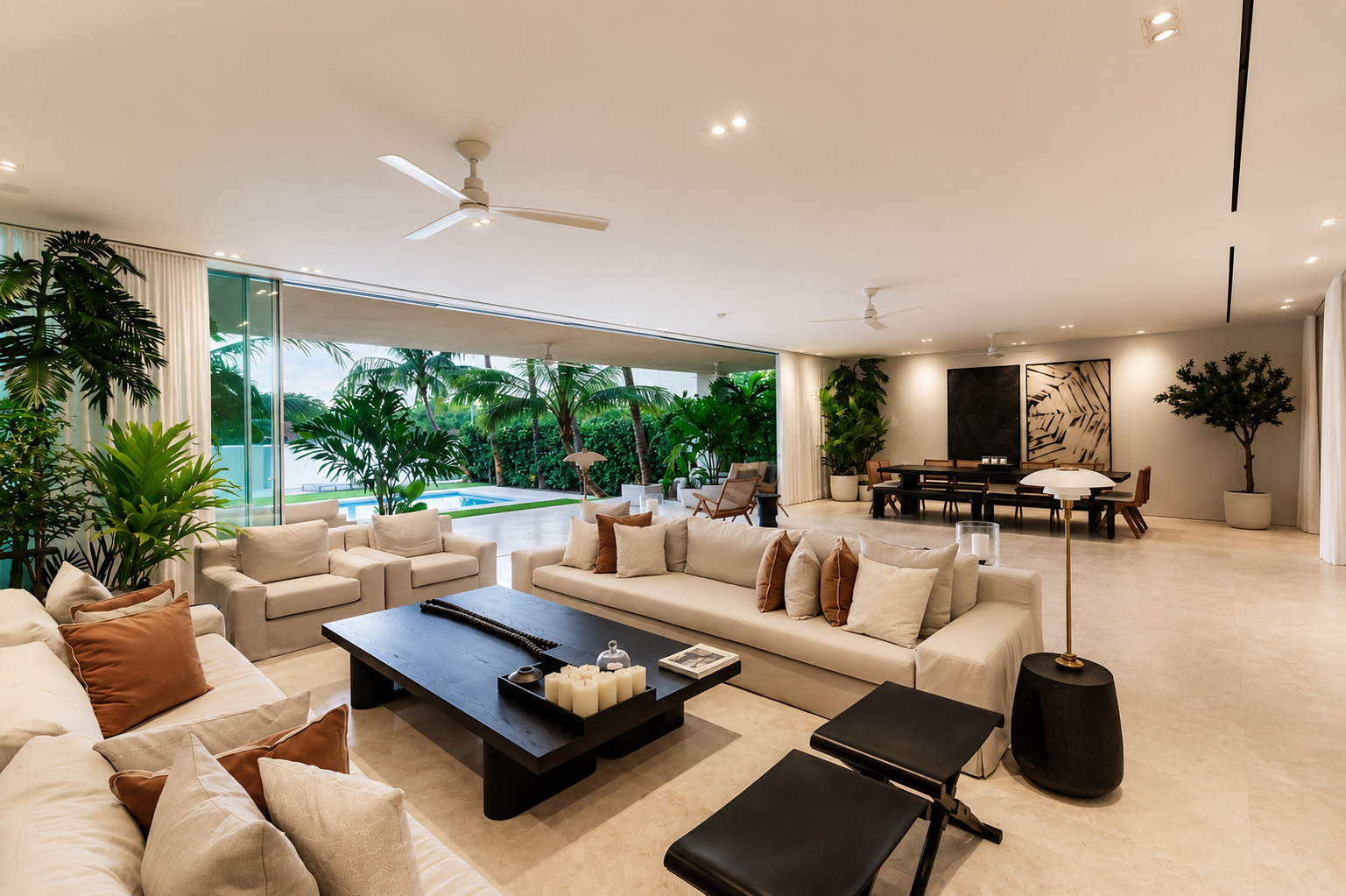
“Remembering that a space is to be experienced by the body, not just the eyes, will make you a better designer,” Raiffe said.
Still, he sees artificial intelligence as a powerful resource, particularly for emerging professionals looking to expand their capabilities.
“AI is an incredible tool, and it’s easier than ever for a designer to have an extreme wealth of knowledge at their fingertips and powerful tools to make tasks faster,” he said.
For Raiffe, the challenge is not choosing between technology and traditional design knowledge. It is understanding how to use new tools while preserving the judgment, creativity, and empathy that allow designers to create meaningful spaces.
Bringing professional experience back to HCAD
Despite the changes he has witnessed throughout his career, Raiffe believes one of NJIT’s greatest strengths remains its emphasis on preparing students for the realities of professional practice.
“I've always thought that HCAD has such great programs because they are so applicable and practical to the actual design industry,” he said.
That connection has helped sustain his involvement with the college. Raiffe has returned to teach interior design studios on two occasions and regularly participates in student reviews, offering feedback drawn from his experience as a practicing architect and business owner.
He finds particular satisfaction in watching students develop their ideas, refine their skills, and gain confidence presenting their work.
His appointment to the HCAD Advisory Board now offers another opportunity to contribute to a program that helped launch his career.
“It's fun to see students excited and passionate about their projects, and I love to help them,” Raiffe said. “So, when the school reached out to me about this advisory board, it was just another way on a totally different level to help the students.”
For someone who once belonged to a small group of students determined to make a new program succeed, that commitment carries special meaning. The relationships, collaboration and sense of shared purpose that defined his NJIT experience continue to inform his work — and now his contributions to the college’s future.
