There's a moment in every research lab when weeks, months or years of effort finally come together to confirm a hypothesis or produce a successful prototype. That moment is exhilarating for researchers, but the work doesn't stop there. Transforming lab results into far-reaching solutions for real-world challenges is a critical next step.
At New Jersey Institute of Technology, the Center for Translational Research (CTR) has proven itself a leader in bridging that gap, initiating and supporting strategies that help researchers and innovators turn their discoveries into tangible public benefits. Now, the U.S. National Science Foundation (NSF) has recognized CTR's leadership role with a $2.3 million grant for CTR to continue its work as the national coordinating center for all NSF Accelerating Research Translation (ART) programs.
Over the next five years, CTR will apply the funds toward growing a portal for coordinating and accelerating the commercialization pipeline for lab results from institutions of higher learning across the United States.
The portal, developed and launched by CTR in March 2025 as part of a $6.7 million NSF grant, is a destination for universities hosting initiatives funded by NSF's ART program. Through ART, participants build connections between researchers and gain access to resources for strengthening translational research pipelines, in areas such as environmental sustainability, social impact, and health and medicine.
In its role as the portal's coordinator, NJIT will guide and assist universities as they translate federally funded research into practical applications and startups with economic impact.
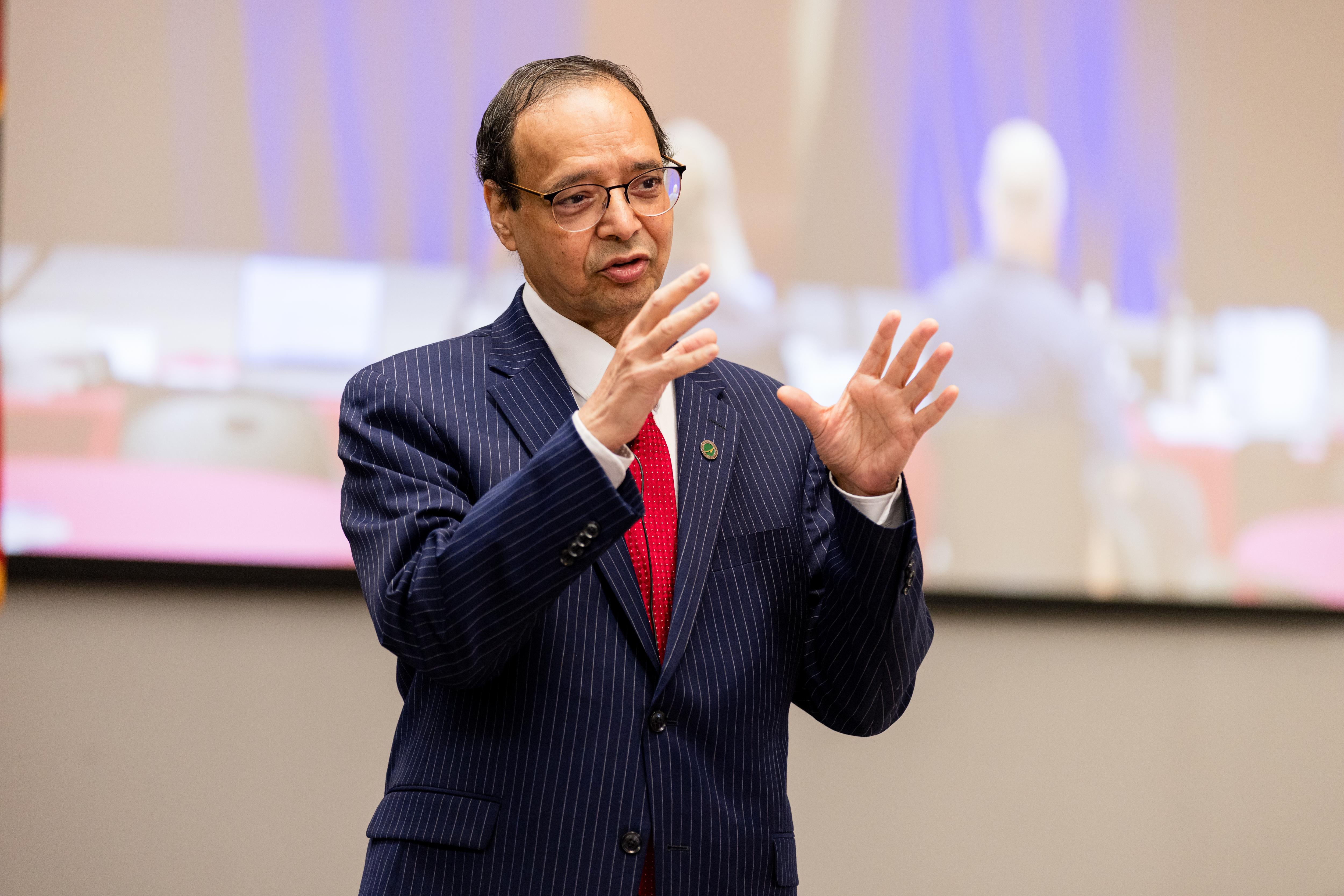
Currently, 17 institutions are members of the ART Network portal, where they share information about research and workforce development activities. They have collectively reported 119 research projects and have coordinated dozens of events, workshops and seminars held in support of translational research. Using the portal, participants have connected with approximately 200 industry partners, established over 20 startups and engaged more than 3,000 students, post-docs, faculty and industry members through ART programs and related projects and events.
Under the new grant, CTR will continue to manage and develop the ART Network portal, expanding its capacity to support fast-growing infrastructure for translational research. CTR will also extend the portal's reach to encompass 35 to 40 university programs and centers nationwide this year; the portal will likely serve more than 50 entities including mentoring institutions, says Atam Dhawan, NJIT senior vice provost for research, co-principal investigator for the grant and CTR's executive director. The principal investigator is NJIT professor of mechanical and industrial engineering Shawn Chester, associate director of CTR.
Resources at the National Level
NJIT stands at the forefront of advancing translational research. Since CTR launched in 2024, it has connected researchers with industry partners in fields that include sustainable energy, data privacy, healthcare and environmental remediation. Together with NJIT’s Technology Innovation Translation Acceleration (TITA) program, CTR has supported four startups and more than 45 funded projects. These include OppyAI, an encrypted artificial intelligence chat platform; and the startups PureTrace Labs and PFASolve, which focus on the development and deployment of affordable technologies for detecting, capturing and removing per- and polyfluoroalkyl substances (PFAS) — "forever chemicals" — from polluted environments.
For Dhawan, one of the most significant CTR accomplishments to date is the development of the New Jersey PFAS Partnership Innovation Consortium (NJ PFAS-PIC). Created in partnership with research universities, state agencies and more than a dozen representatives of New Jersey industry, utilities and grassroots community organizations; and with additional national and international participants, the consortium seeks to address the challenge of PFAS contamination and investigate solutions for replacing PFAS chemicals in industry, to prevent further environmental degradation.
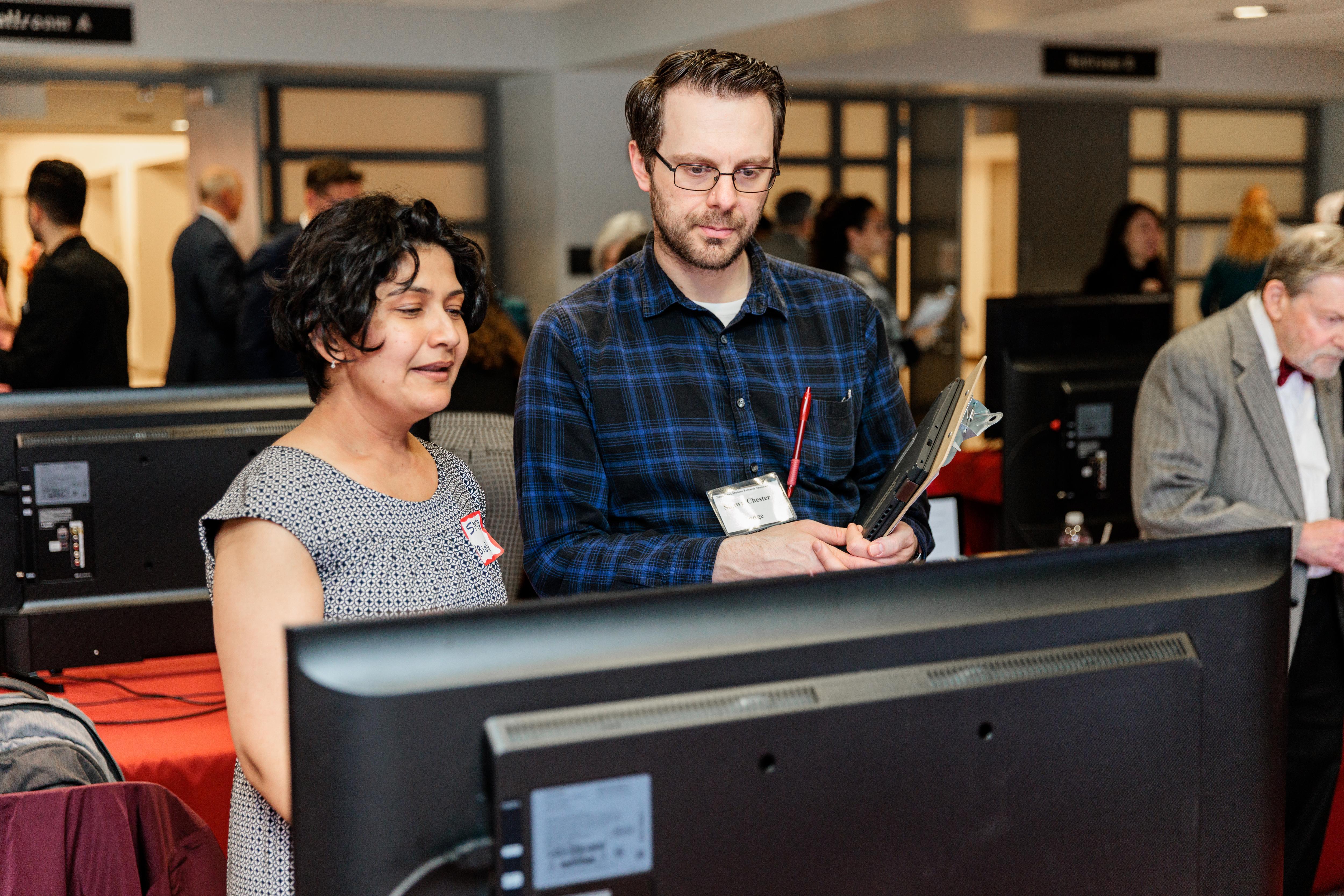
Since 2024, workshops organized by CTR also provide opportunities for researchers to connect with industry leaders, investors and government representatives. Approximately 110 participants attended NJIT's 2026 Innovation Ecosystem Workshop to explore strategies for public engagement, academic collaboration, tech adoption and sustainability. On Nov. 12, NJIT will host the Personalized, Predictive and Preventative Healthcare Innovation (P3HI) workshop, focusing attention on translational research and innovative technology solutions for improving global healthcare and driving economic growth.
CTR also supports student involvement in translational research through internships, access to invention-focused laboratories and the Acceleration Research Translation Integrated Student Ambassador Network (ARTISAN). This program recognizes undergraduate students who demonstrate excellence in research and who want to see those efforts translated into real-world impact. ARTISAN Ambassadors learn firsthand how to build relationships between academic innovators and industry partners to serve communities' most pressing needs.
Future plans for the ART portal include adding more information about resources, tools and translational projects; strengthening workforce development; and continuing to develop best practices guidelines for tech transfer, commercialization and regional innovation ecosystem expansion to serve all portal stakeholders, says Dhawan. CTR's expanded role as national coordinating center for shepherding the ART portal's growth will also benefit the NJIT community, "by providing resources, and networking and partnership opportunities at the national level," Dhawan adds.
"With CTR as the coordinating center to all NSF ART programs in the nation, this also brings critical leadership visibility to NJIT at the NSF within the national innovation, translational and entrepreneurship ecosystem."
