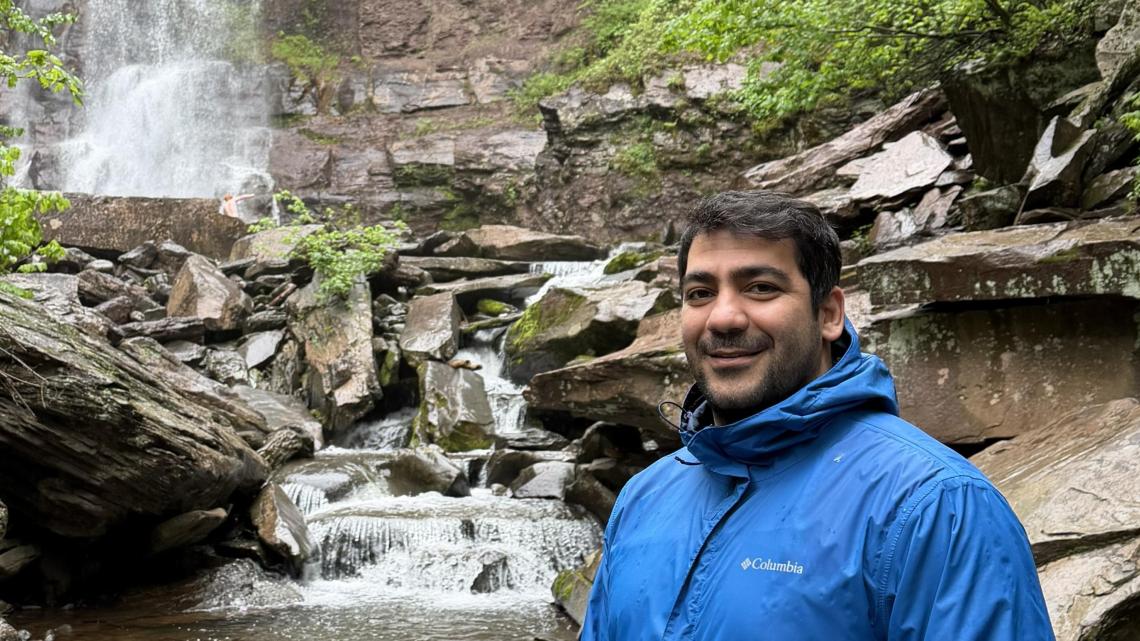
Mehrdad Morsali is a fourth-year Ph.D. student in the ACAD Lab under the advice of Dr. Shaahin Angizi. His research focuses on edge computing and in-sensor computing for neural network acceleration, leveraging emerging hardware technologies such as silicon photonics. Outside of research, he enjoys wrestling, running, and bodybuilding. He is also passionate about the outdoors and enjoys hiking, exploring nature, and spending time in it.
What would you say that could be the next big thing in your area of research?
From my perspective, the rapid advancement of Large Language Models (LLMs) will have a profound impact on many aspects of human life, including scientific research. In my research area, where we design hardware accelerators for AI workloads, this trend will further increase the demand for faster, more energy-efficient computing systems capable of supporting increasingly complex models. At the same time, LLMs present a valuable opportunity for hardware designers themselves. These models can assist in developing better architecture, accelerating design evaluations, and enabling more efficient design space exploration, ultimately shortening the hardware development cycle.
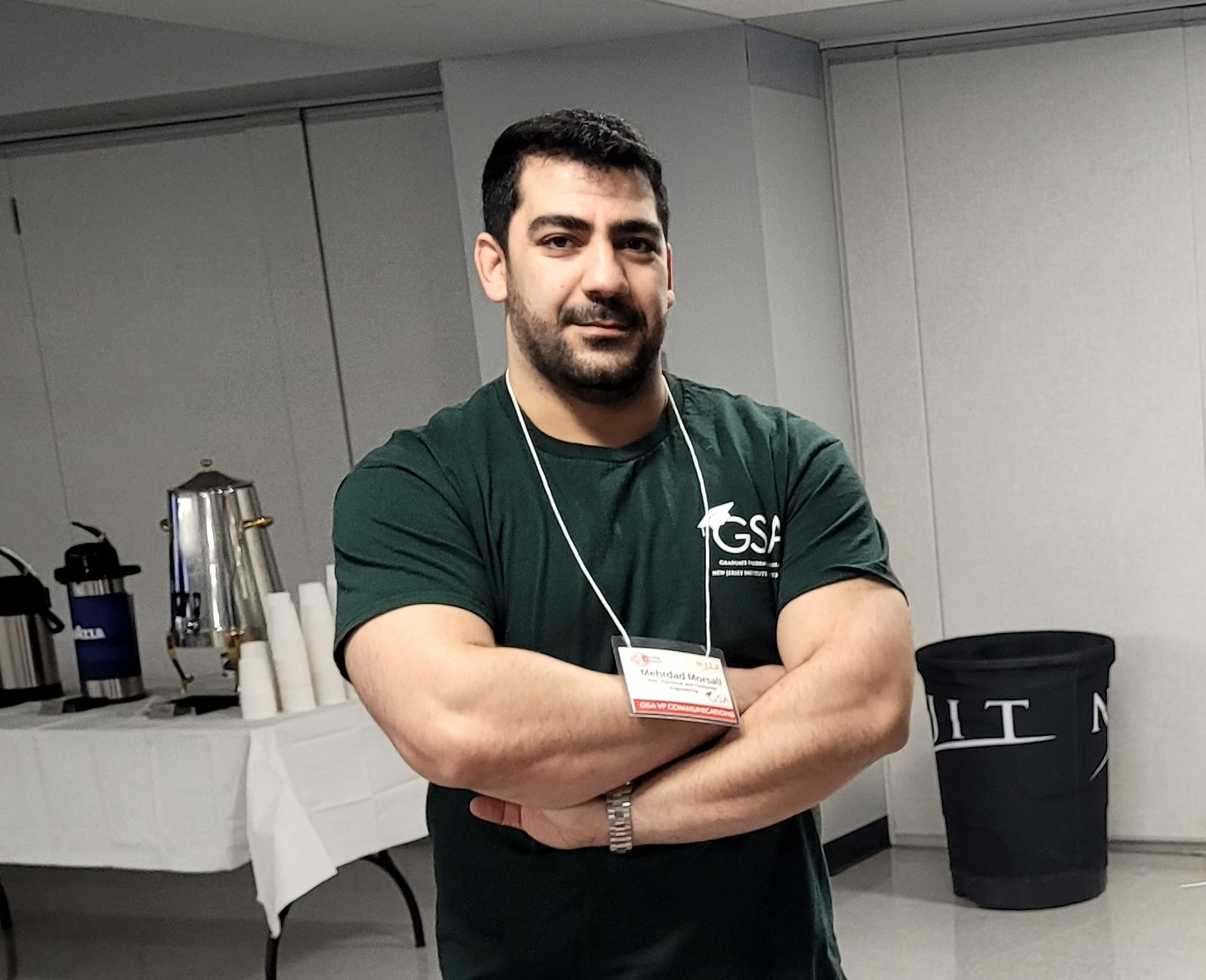
In terms of research publication, you are one of our most productive PhD students. Please share some unique training/advice that your advisor has provided for writing and publication.
Over my PhD years, I have learned many valuable lessons from my advisor about building a strong publication record. Two stand out in particular. First, it is important to stay flexible and follow emerging research trends. Exploring new directions that align with the field's evolution makes your work more relevant and impactful to the research community. Second, the way you present your research is just as important as the research itself. High-quality writing, clear and informative figures, and attention to detail can significantly improve your chances of success at top-tier venues. I have learned that a well-presented paper often makes a crucial difference in the review process.
With an outstanding publication record, you have a good chance of landing a faculty job. Meanwhile, your research also qualifies you for a very well-paying industrial job in the explosively growing AI-oriented IC industry. What is your preference at this point and why?
I see myself as being better suited for academia than industry. One of the main reasons is the greater freedom that an academic career offers, both in choosing the research directions I want to pursue and in maintaining flexibility in my personal life. I am also drawn to the university environment, which I find highly collaborative, intellectually stimulating, and engaging. I enjoy working closely with students, researchers, and colleagues in a setting that encourages the exchange of ideas and continuous learning.
