Designing with Empathy: How Alum Liliana Torres Builds Community Through Architecture

Liliana Torres’s architecture has always been about people.
“The way I want my story to be told is through how everything I learned at NJIT continues to translate into my professional life — the values, the sense of responsibility, and the commitment to helping others never stopped at graduation,” she said.
Torres '17, '18 is an undergraduate and graduate alumna of the Hillier College of Architecture and Design (HCAD), as well as a scholar of the Albert Dorman Honors College.
At this year’s NJIT Design Showcase, she will receive the Emerging Designer Alumni Award, a recognition that marks a powerful full-circle moment in a career defined by public service, empathy, and community-centered design.
She’s currently an associate at Urbahn, where she focuses on public infrastructure projects with the Metropolitan Transportation Authority (MTA). Since graduating, Torres has worked on more than 14 subway stations across New York City, helping transform them into accessible spaces that allow people with disabilities, seniors, parents with strollers, and everyday commuters to move independently.
Her most recent design upgrade was completed at the Church Av. subway station in Brooklyn.
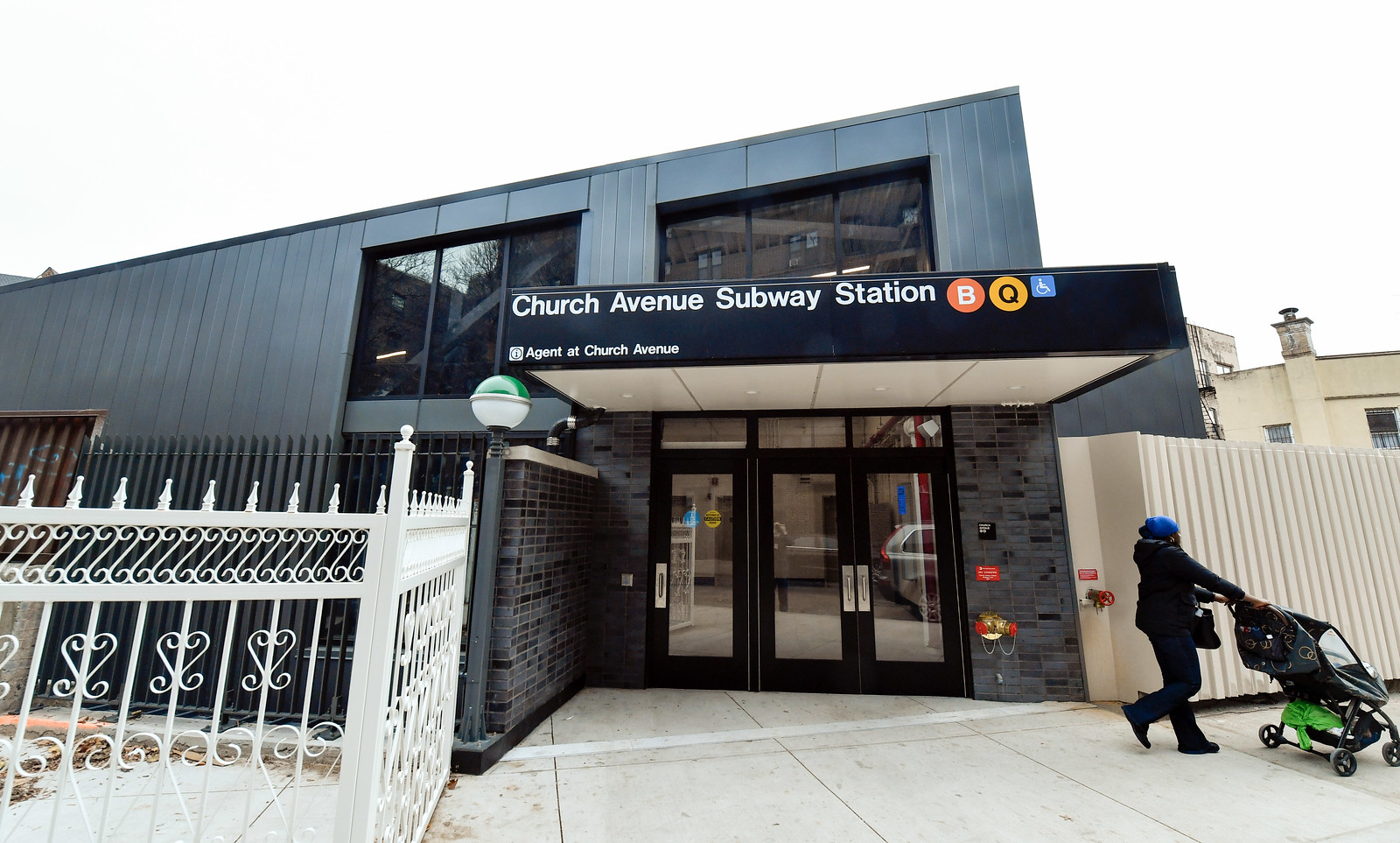
“I’ve worked on more than 14 stations across New York City to make them accessible, and there’s nothing more powerful than seeing someone move independently through a space you helped design,” Torres said.
She describes transportation design as a quiet but transformative force. “Transportation architecture is invisible to most people, but it quietly shapes their daily lives. It’s not a monument — it’s the kind of architecture that truly changes lives.”
Torres’ commitment to accessibility is deeply tied to her identity. Raised in the Dominican Republic, she grew up in a place where accessible infrastructure is limited, shaping her understanding of how design can either restrict or empower.
“When I think about myself as a little girl growing up in the Dominican Republic, I never imagined I would one day contribute to infrastructure used by millions — that feels like building a legacy much bigger than myself,” she said.
At the core of that work is empathy. “Architecture is about putting yourself in someone else’s shoes. Designing with empathy is what turns spaces into tools for independence and dignity,” Torres explained.
Even the smallest details matter. “One inch can change someone’s life. In accessibility design, that small difference can determine whether someone moves independently or struggles, and that awareness guides every decision I make.”
Torres’ path to this work was shaped at NJIT, where she found not only rigorous academic training, but a community that believed in her.
“Honestly, it was the people at HCAD who made the biggest difference. From the custodian who greeted me with a smile every morning to my advisor and the administrative assistant at the front desk, everyone made me feel supported. They really adopted me into the NJIT HCAD family. That is where I learned the true meaning of ‘it takes a village’. I could not have done it without them.”
That environment helped shape Torres’ commitment to public-interest design and service.
“Being recognized by NJIT feels like a full-circle moment — from helping run these events as a student to now being honored by the institution that shaped my values,” she said.
As a student, Torres was deeply involved in campus life and service-oriented initiatives, experiences that continue to influence her leadership style today. “Helping others without expecting anything in return is what opened doors for me, and it’s why I feel a responsibility to mentor and support others now,” she said.
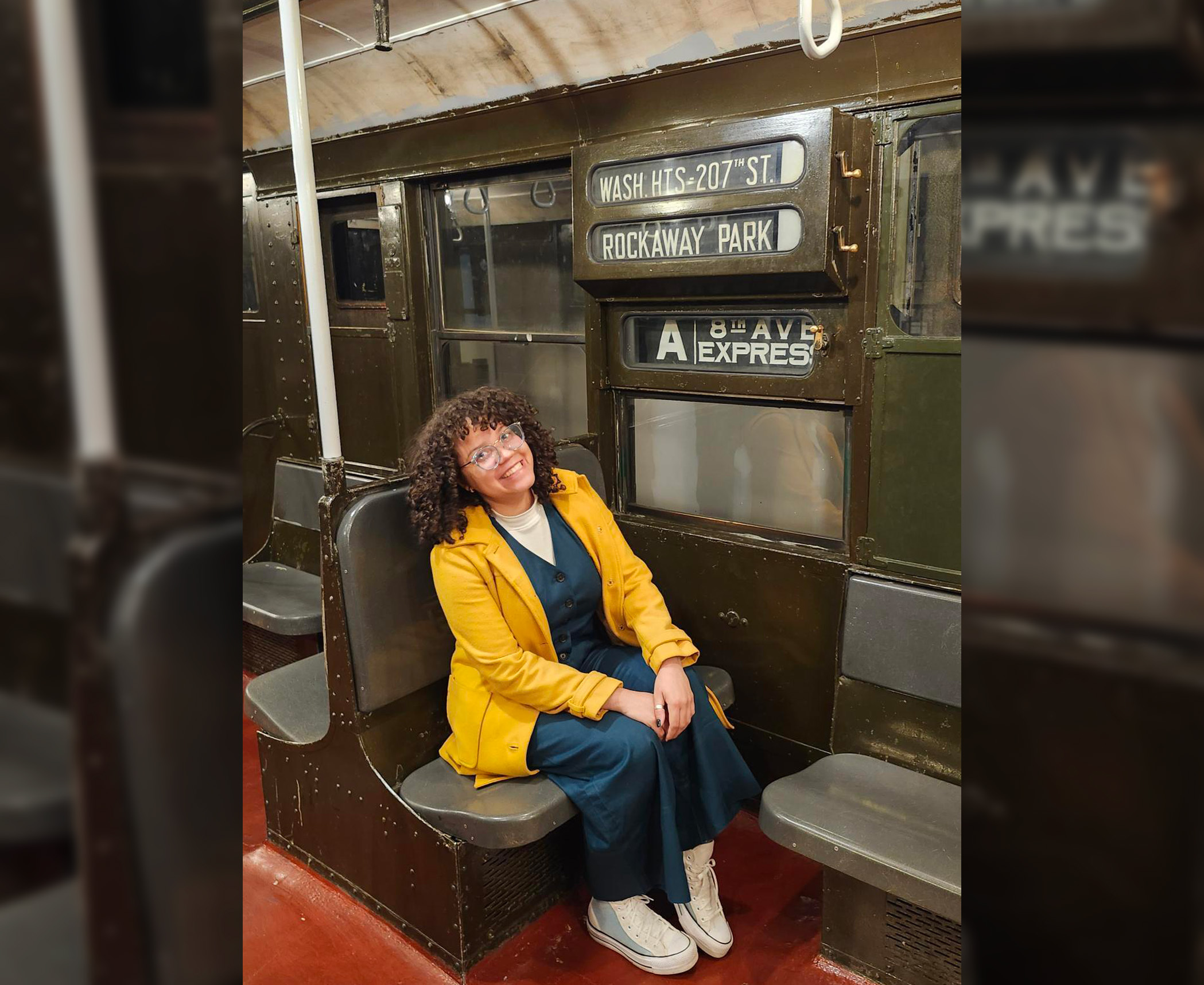
Behind every milestone in Torres’ journey is the unwavering support of her family, especially her mother, who relocated with her from the Dominican Republic so she could pursue her education.
“I wouldn’t be here without my mother. I always tell her, ‘I may have earned the diploma, but you earned it too,’” Torres said.
Receiving the Emerging Designer Alumni Award is not simply a celebration of professional success for Torres — it is recognition of a journey shaped by perseverance, community, and a deep belief in architecture’s power to serve.
As she continues designing spaces used by millions of New Yorkers every day, Torres remains grounded in the same values that brought her to NJIT in the first place: empathy, service, and the conviction that thoughtful design can change lives.